- DevOps Services
- April 15, 2026
Transform Your Business with India’s Leading DevOps Services
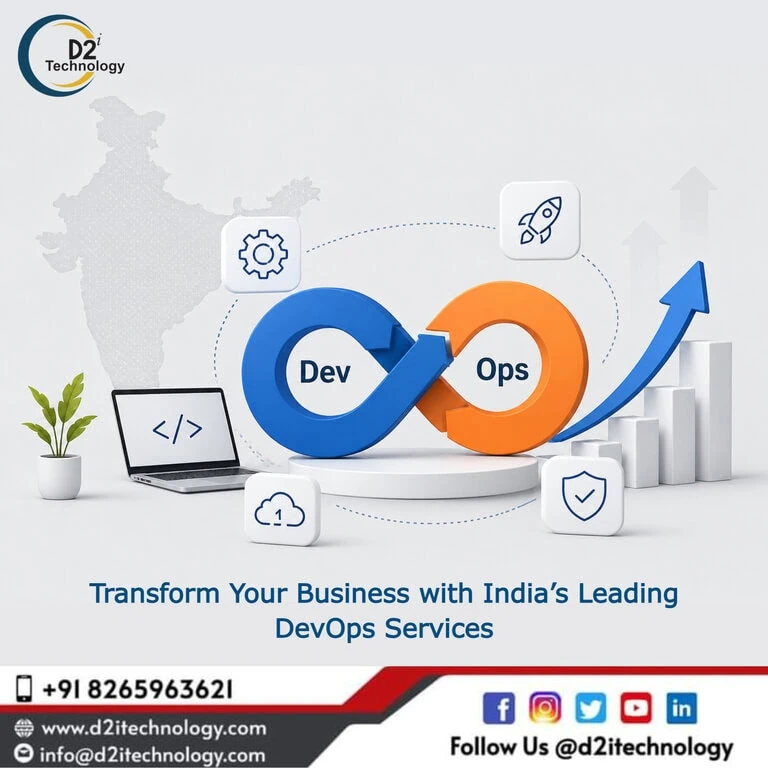
Digital transformation demands more than incremental improvements—it requires a fundamental shift in how organizations develop, deploy, and manage software. Partnering with a DevOps Services Company in India gives businesses access to world-class expertise at competitive rates, enabling faster releases, improved reliability, and seamless collaboration between development and operations teams. India’s DevOps ecosystem combines technical excellence with cost-effectiveness, making it an ideal destination for companies seeking to accelerate their software delivery pipelines and drive innovation at scale.
The question isn’t whether DevOps matters for your business—it’s whether your current approach to software development can keep up with evolving customer expectations and competitive pressures. This comprehensive guide explores how Indian DevOps service providers transform businesses through automation, continuous integration/continuous delivery (CI/CD), and cloud-native practices.
Understanding DevOps: Beyond the Buzzword
DevOps represents a cultural shift as much as a technical methodology. It breaks down traditional silos between development teams writing code and operations teams managing infrastructure, creating unified workflows that accelerate software delivery while maintaining quality and stability.
The Core Principles
Successful DevOps implementations rest on several foundational concepts:
Automation First: Manual processes create bottlenecks and introduce errors. DevOps emphasizes automating repetitive tasks—testing, deployment, infrastructure provisioning, monitoring—freeing teams to focus on innovation rather than routine maintenance.
Continuous Everything: DevOps practices continuous integration (frequent code merges), continuous delivery (automated deployment readiness), and continuous deployment (automated production releases). These practices dramatically reduce time-to-market. Learn about the benefits of DevOps CI/CD for your business.
Collaboration and Communication: Breaking down organizational silos creates shared responsibility for software quality and reliability. Development understands operational constraints, while operations appreciates development priorities.
Feedback Loops: Rapid feedback from production environments informs development decisions. Monitoring, logging, and alerting provide data driving continuous improvement.
Infrastructure as Code: Managing infrastructure through version-controlled code enables consistency, repeatability, and scalability. Infrastructure becomes as manageable as application code.
Understanding the future scope of DevOps helps contextualize why this approach matters for long-term competitiveness.
Why Choose a DevOps Services Company in India
India has emerged as a global DevOps hub, offering compelling advantages beyond cost savings.
Technical Expertise and Talent Pool
India produces thousands of engineering graduates annually, many specializing in cloud technologies, automation, and DevOps practices. This talent pool brings:
- Deep expertise in leading DevOps tools and platforms
- Experience across diverse industries and use cases
- Certifications from AWS, Azure, Google Cloud, and DevOps Institute
- Proficiency in modern programming and scripting languages
- Understanding of both traditional and cloud-native architectures
Cost-Effectiveness Without Compromise
DevOps services from India typically cost 40-60% less than equivalent services in North America or Europe, driven by economic factors rather than quality differences. This cost advantage enables:
- Larger, more experienced teams within budget
- Investment in better tooling and infrastructure
- Longer-term engagements for sustainable transformation
- Resources for training and continuous improvement
- Financial flexibility for experimentation and innovation
Time Zone Advantages
For businesses in Western markets, India’s time zone difference becomes a strategic asset. Work continues around the clock—your team concludes their day as Indian teams begin theirs, enabling:
- Near-continuous development and deployment cycles
- Faster incident response and issue resolution
- Reduced time-to-market for new features
- Extended operational coverage without night shifts
- Accelerated project completion timelines
Proven Track Record
Indian DevOps companies serve clients ranging from Silicon Valley startups to Fortune 500 enterprises. This experience across sectors—fintech, healthcare, e-commerce, SaaS, media—means they’ve encountered and solved challenges similar to yours.
Core DevOps Services Offered by Indian Companies
Leading DevOps Services Company in India providers deliver comprehensive capabilities covering the entire software delivery lifecycle.
CI/CD Pipeline Implementation
Continuous Integration/Continuous Delivery pipelines automate the journey from code commit to production deployment:
Continuous Integration:
- Automated code compilation and build processes
- Unit testing execution on every commit
- Integration testing across components
- Code quality analysis and security scanning
- Immediate feedback to developers
Continuous Delivery:
- Automated deployment to staging environments
- Comprehensive acceptance testing
- Performance and security validation
- Manual approval gates where needed
- Production-ready artifacts on every successful build
Continuous Deployment:
- Fully automated production deployments
- Zero-downtime release strategies
- Automated rollback capabilities
- Progressive delivery through canary releases
- Feature flag management
Cloud Migration and Optimization
Moving to cloud platforms unlocks DevOps benefits, but migration requires expertise:
Cloud Strategy:
- Assessment of current infrastructure
- Right-sizing and architecture recommendations
- Cost optimization strategies
- Security and compliance planning
- Multi-cloud or hybrid approaches
Migration Execution:
- Application refactoring for cloud-native patterns
- Database migration and optimization
- Network and security configuration
- Testing and validation
- Cutover planning and execution
Post-Migration Optimization:
- Cost monitoring and optimization
- Performance tuning
- Auto-scaling configuration
- Disaster recovery implementation
- Continuous improvement initiatives
Learn how cloud and DevOps work better together for digital transformation.
Infrastructure as Code (IaC)
Treating infrastructure as version-controlled code brings consistency and repeatability:
Infrastructure Provisioning:
- Terraform or CloudFormation templates
- Version-controlled infrastructure definitions
- Automated resource provisioning
- Environment consistency enforcement
- Infrastructure testing and validation
Configuration Management:
- Ansible, Chef, or Puppet implementations
- Automated configuration deployment
- Drift detection and remediation
- Secrets management
- Compliance as code
Monitoring and Observability
Understanding system behavior drives improvement:
Application Performance Monitoring:
- Real-time performance metrics
- Transaction tracing
- Error tracking and alerting
- User experience monitoring
- Custom dashboards and visualizations
Infrastructure Monitoring:
- Resource utilization tracking
- Capacity planning insights
- Predictive alerting
- Cost monitoring and optimization
- Multi-cloud visibility
Log Management:
- Centralized log aggregation
- Log analysis and searching
- Correlation across services
- Security event monitoring
- Compliance reporting
Security Integration (DevSecOps)
Security must be integrated throughout the development lifecycle:
Security Automation:
- Vulnerability scanning in pipelines
- Dependency checking and updates
- Container security scanning
- Infrastructure security testing
- Compliance validation
Secrets Management:
- Secure credential storage
- Automated secret rotation
- Access control and auditing
- Encryption key management
- Integration with CI/CD pipelines
Understanding the need for shifting from DevOps to DevSecOps helps integrate security effectively.
Container and Kubernetes Management
Containerization enables portability and scalability:
Container Strategy:
- Docker containerization
- Image optimization and security
- Registry management
- Container orchestration selection
- Migration planning
Kubernetes Operations:
- Cluster design and setup
- Deployment automation
- Service mesh implementation
- Storage and networking configuration
- Monitoring and logging integration
Explore how DevOps works with microservices and containerization for modern architectures.
Business Benefits of Professional DevOps Services
Engaging a DevOps Services Company in India delivers measurable business outcomes beyond technical improvements.
Faster Time-to-Market
Automated pipelines and streamlined workflows dramatically reduce release cycles:
- Features reach customers weeks or months earlier
- Competitive advantages through rapid innovation
- Faster response to market opportunities
- Reduced time spent on manual processes
- Quicker validation of business hypotheses
Improved Reliability and Stability
Automation reduces human error while robust monitoring catches issues earlier:
- Fewer production incidents and outages
- Faster mean time to recovery (MTTR)
- More predictable releases
- Better handling of traffic spikes
- Reduced business impact from technical issues
Enhanced Scalability
Cloud-native architectures and automation enable effortless scaling:
- Automatic response to demand changes
- Cost efficiency through right-sizing
- Support for business growth without infrastructure constraints
- Geographic expansion without infrastructure overhead
- Ability to handle seasonal or event-driven spikes
Cost Optimization
While DevOps requires upfront investment, long-term savings are substantial:
- Reduced infrastructure costs through optimization
- Lower operational overhead from automation
- Decreased incident costs from improved reliability
- Efficient resource utilization
- Reduced manual labor expenses
Learn about the business benefits delivered by DevOps implementations.
Better Collaboration and Culture
DevOps transforms how teams work together:
- Reduced friction between development and operations
- Shared ownership and accountability
- Faster problem resolution
- Improved employee satisfaction
- Higher quality decision-making through data
Selecting the Right DevOps Services Partner
Not all DevOps providers deliver equal value. Evaluate potential partners carefully.
Essential Evaluation Criteria
Technical Expertise:
- Certifications from major cloud providers
- Experience with relevant tools and platforms
- Understanding of your technology stack
- Track record with similar implementations
- Depth of technical team
Industry Experience:
- Work in your sector or similar industries
- Understanding of regulatory requirements
- Familiarity with industry-specific challenges
- Relevant case studies and references
- Domain knowledge beyond technical skills
Service Model Flexibility:
- Project-based engagements
- Dedicated team models
- Staff augmentation options
- Managed services
- Hybrid approaches
Communication and Collaboration:
- English proficiency and cultural fit
- Time zone overlap and availability
- Communication tools and practices
- Project management methodologies
- Transparency and reporting
Security and Compliance:
- Security certifications and practices
- Data protection policies
- Compliance framework experience
- Background verification processes
- Contractual protections
Questions to Ask Potential Partners
Vet candidates through these inquiries:
Experience Questions:
- How many DevOps transformations have you led?
- Can you share case studies in our industry?
- What’s your typical engagement timeline?
- How do you handle knowledge transfer?
- What’s your team structure and size?
Technical Questions:
- What tools and platforms do you specialize in?
- How do you approach cloud migration?
- What’s your CI/CD implementation methodology?
- How do you ensure security integration?
- What monitoring and observability solutions do you use?
Process Questions:
- How do you assess current state and maturity?
- What’s your implementation approach?
- How do you handle change management?
- What training do you provide?
- How do you measure success?
Support Questions:
- What ongoing support do you offer?
- How do you handle incidents and escalations?
- What’s your response time SLA?
- Do you provide 24/7 coverage?
- How do you ensure continuous improvement?
D2i Technology offers comprehensive DevOps services tailored to your specific business needs and technical environment.
DevOps Implementation Journey
Understanding the typical transformation path sets realistic expectations.
Phase 1: Assessment and Strategy
Every successful DevOps journey begins with understanding where you are:
- Current process and tooling evaluation
- Pain point and bottleneck identification
- Team skill assessment
- Infrastructure and architecture review
- Goal setting and success metrics definition
Follow a step-by-step guide to successful DevOps implementation for structured transformation.
Phase 2: Quick Wins and Foundation
Build momentum through visible improvements while establishing foundations:
- Critical automation implementations
- Basic CI/CD pipeline setup
- Essential monitoring and alerting
- Team training and onboarding
- Tool selection and adoption
Phase 3: Comprehensive Transformation
Expand and deepen DevOps practices across the organization:
- Advanced CI/CD with deployment automation
- Infrastructure as Code implementation
- Comprehensive monitoring and observability
- Security integration throughout pipelines
- Culture and collaboration improvements
Phase 4: Optimization and Maturity
Continuous improvement takes DevOps to the next level:
- Process refinement based on metrics
- Advanced automation and orchestration
- Chaos engineering and resilience testing
- Cost optimization initiatives
- Innovation and experimentation enablement
Phase 5: Continuous Evolution
DevOps is never “done”—it’s an ongoing journey:
- Regular assessment and adjustment
- New tool and practice evaluation
- Skill development and training
- Metric-driven improvement
- Industry best practice adoption
Common DevOps Challenges and Solutions
Understand potential obstacles and how professional services help overcome them.
Cultural Resistance
Challenge: Teams accustomed to traditional workflows resist change.
Solution: Professional DevOps partners bring change management expertise, helping organizations:
- Communicate benefits effectively
- Provide comprehensive training
- Create early wins building momentum
- Address concerns and fears directly
- Foster collaborative culture
Legacy System Integration
Challenge: Existing systems weren’t designed for DevOps practices.
Solution: Experienced providers develop pragmatic approaches:
- Gradual modernization strategies
- API and abstraction layer creation
- Containerization of legacy applications
- Parallel system operation during transition
- Risk-managed migration paths
Security Concerns
Challenge: Automation and speed seem to conflict with security.
Solution: DevSecOps integrates security throughout:
- Automated security testing
- Compliance as code
- Vulnerability scanning in pipelines
- Security training for development teams
- Risk-based approach to controls
Learn how to protect enterprises with SecOps integrated into DevOps.
Skill Gaps
Challenge: Internal teams lack necessary DevOps expertise.
Solution: DevOps partners fill gaps through:
- Knowledge transfer and training
- Hands-on mentoring during implementation
- Documentation and runbooks
- Gradual capability building
- Ongoing support and consultation
Tool Complexity
Challenge: DevOps ecosystem offers overwhelming tool choices.
Solution: Experienced providers guide tool selection:
- Assessment of needs and priorities
- Tool evaluation and comparison
- Integration and compatibility verification
- Proof of concept before commitment
- Best practice implementation
Understand the essential DevOps tools for effective implementation.
Industry-Specific DevOps Applications
Different sectors benefit from tailored DevOps approaches.
Financial Services
Banking, insurance, and fintech require:
- Strict regulatory compliance
- High security standards
- Zero-downtime deployments
- Audit trails and documentation
- Risk management integration
Healthcare
Medical applications demand:
- HIPAA compliance
- Patient data protection
- Reliability and availability
- Integration with medical devices
- Clinical workflow optimization
E-Commerce
Online retail benefits from:
- Rapid feature deployment
- Scalability for seasonal peaks
- Performance optimization
- A/B testing infrastructure
- Real-time inventory management
SaaS and Technology
Software companies leverage:
- Continuous deployment capabilities
- Multi-tenant architecture management
- Feature flag frameworks
- Performance and cost optimization
- Global distribution strategies
The D2i Technology Advantage
When choosing a DevOps Services Company in India, D2i Technology stands out through:
Comprehensive Expertise
Our team brings:
- Certified professionals across major cloud platforms
- Experience with diverse DevOps tools and practices
- Cross-industry implementation knowledge
- Both technical depth and business understanding
- Continuous learning and certification maintenance
Proven Methodology
We follow structured approaches:
- Thorough assessment and planning
- Phased implementation minimizing risk
- Continuous communication and collaboration
- Metric-driven progress tracking
- Knowledge transfer throughout engagement
Flexible Engagement Models
We adapt to your needs:
- Project-based transformations
- Dedicated DevOps teams
- Staff augmentation for specific skills
- Managed services and ongoing support
- Hybrid combinations
Tool Agnostic Approach
We recommend tools based on your needs:
- Not locked into specific vendor platforms
- Objective evaluation and selection
- Integration expertise across tools
- Future flexibility and portability
- Cost-effective solutions
Business Focus
We connect technical implementation to business outcomes:
- Understanding your competitive context
- Aligning DevOps with business objectives
- Measuring business impact
- Communicating value to stakeholders
- Driving ROI through optimization
Conclusion
Partnering with a DevOps Services Company in India like D2i Technology transforms how your organization develops, deploys, and operates software. The combination of technical expertise, cost-effectiveness, and proven methodologies accelerates your journey toward continuous delivery, improved reliability, and business agility.
DevOps isn’t just about tools and automation—it’s about creating an environment where innovation thrives, teams collaborate effectively, and software delivery becomes a competitive advantage rather than a bottleneck. Whether you’re beginning your DevOps journey or seeking to mature existing practices, the right partner makes all the difference.
The question isn’t whether to adopt DevOps, but how quickly you can transform your software delivery to meet market demands. Your competitors are already moving—don’t get left behind.
Frequently Asked Questions
Accelerate Your DevOps Transformation
Ready to transform your software delivery and unlock business agility? D2i Technology's certified DevOps experts bring proven methodologies, comprehensive tooling expertise, and industry-specific knowledge to accelerate your transformation journey. From assessment through optimization, we're with you every step.