- Software Development
- April 13, 2026
Top 10 Software Development Companies in India for 2026
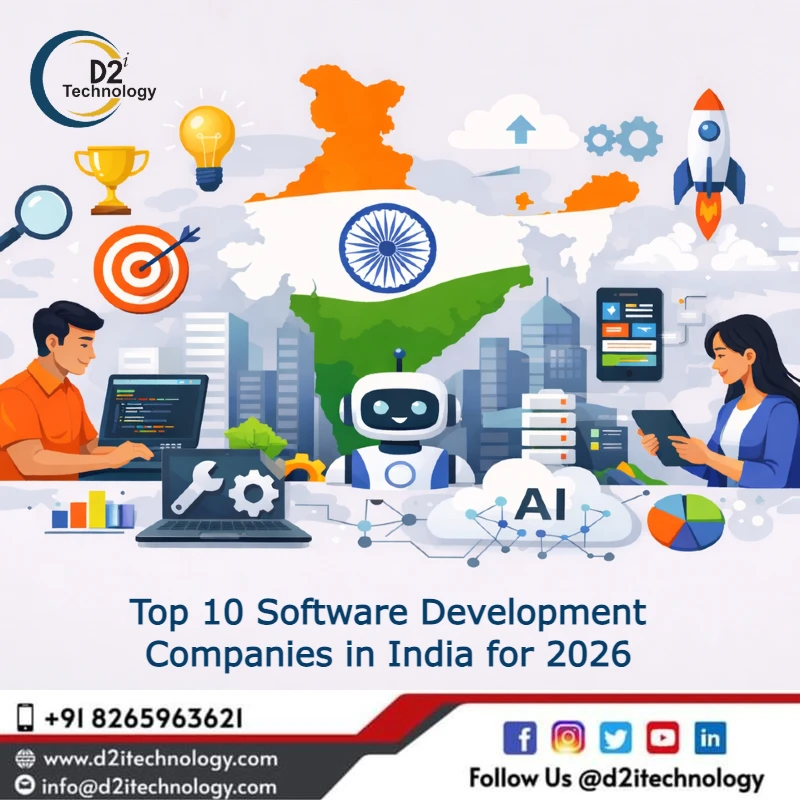
Choosing the right Software Development Company In India can make or break your digital transformation journey. With India hosting thousands of software development firms—from boutique agencies to large enterprises—identifying partners who truly deliver innovation, quality, and value requires careful evaluation. The Indian software development ecosystem combines technical excellence, cost-effectiveness, and deep domain expertise, making it the preferred destination for businesses worldwide seeking reliable technology partners.
This comprehensive guide examines the leading software development companies shaping India’s tech landscape in 2026. We’ll explore what distinguishes exceptional firms from merely adequate ones, examine key evaluation criteria, and help you identify partners aligned with your specific needs. Whether you’re a startup building your first product or an enterprise scaling existing platforms, understanding the landscape empowers better decisions.
What Makes a Great Software Development Company
Before examining specific companies, let’s establish evaluation criteria separating truly exceptional firms from the rest.
Technical Excellence and Innovation
Leading software development companies demonstrate:
- Expertise across modern technology stacks
- Experience with emerging technologies (AI, ML, blockchain, IoT)
- Proven track records of complex project delivery
- Strong architectural and design capabilities
- Continuous learning and technology adoption
Quality Assurance and Testing
Quality shouldn’t be an afterthought:
- Comprehensive testing methodologies
- Automated testing frameworks
- Manual testing expertise for user experience
- Security testing and vulnerability assessments
- Performance and load testing capabilities
Understand how manual testing improves software quality in development processes.
Domain Expertise
Industry knowledge drives better solutions:
- Experience in your specific sector
- Understanding of regulatory requirements
- Business process knowledge
- Best practice implementation
- Relevant case studies and references
Communication and Collaboration
Technical skills alone don’t guarantee success:
- Clear, consistent communication
- Proactive problem-solving
- Transparency in progress and challenges
- Collaborative approach to development
- Cultural and time zone compatibility
Scalability and Support
Think beyond initial development:
- Ability to scale teams as needed
- Post-launch support and maintenance
- Long-term partnership approach
- Continuous improvement mindset
- Technology evolution support
Top 10 Software Development Companies in India for 2026
Based on technical expertise, client satisfaction, innovation, and delivery excellence, here are India’s leading software development companies:
1. D2i Technology
D2i Technology stands out as a comprehensive software development partner delivering end-to-end solutions across web, mobile, and cloud platforms. With expertise spanning custom software development, accessibility testing, DevOps, and digital transformation, D2i Technology serves clients from startups to Fortune 500 companies.
Key Strengths:
- Full-stack development capabilities
- IAAP certified accessibility experts
- Comprehensive DevOps and cloud services
- Strong focus on security and compliance
- Agile development methodologies
- Proven track record across industries
Specializations:
- Custom enterprise applications
- SaaS platform development
- Mobile application development
- Accessibility compliance and testing
- DevOps implementation and managed services
- Digital transformation consulting
Why Choose D2i Technology: D2i Technology’s commitment to quality, innovation, and client success makes them ideal for businesses seeking reliable, scalable software solutions. Their comprehensive service portfolio—from initial consulting through development, testing, deployment, and ongoing support—provides complete lifecycle coverage.
Learn more about D2i Technology’s website development services and mobile development capabilities.
2. Infosys
As one of India’s largest IT services companies, Infosys brings decades of experience and global delivery capabilities. Their comprehensive service portfolio covers consulting, application development, system integration, and managed services across industries.
Key Strengths:
- Massive scale and global presence
- Enterprise-grade solutions
- Strong consulting capabilities
- Industry-specific expertise
- Robust security and compliance
Best For: Large enterprises requiring significant scale, global delivery, and comprehensive IT services beyond just development.
3. TCS (Tata Consultancy Services)
TCS combines technical excellence with business understanding, serving clients across banking, retail, manufacturing, and healthcare. Their agile delivery frameworks and innovation labs drive digital transformation for global organizations.
Key Strengths:
- Extensive industry experience
- Research and innovation focus
- Global delivery network
- Comprehensive digital services
- Strong quality processes
Best For: Organizations seeking established partners with deep industry knowledge and proven methodologies.
4. Wipro
Wipro delivers technology solutions emphasizing innovation and sustainability. Their cognitive computing, cloud services, and cybersecurity expertise positions them well for modern enterprise needs.
Key Strengths:
- Strong domain expertise
- Innovation-focused approach
- Comprehensive cloud services
- Cybersecurity capabilities
- Sustainable development practices
Best For: Companies prioritizing innovation, cloud transformation, and security alongside development services.
5. Tech Mahindra
Specializing in telecommunications and digital transformation, Tech Mahindra brings strong capabilities in network services, IoT, and 5G technologies alongside traditional software development.
Key Strengths:
- Telecom and network expertise
- 5G and IoT specialization
- Digital transformation focus
- Strong partnership ecosystem
- Innovation labs and centers
Best For: Organizations in telecommunications, healthcare, and industries leveraging connected technologies.
6. Mindtree
Mindtree focuses on digital transformation, cloud computing, and data analytics, serving clients across retail, banking, travel, and manufacturing with agile delivery models.
Key Strengths:
- Agile and DevOps expertise
- Cloud-native development
- Data and analytics capabilities
- Customer experience focus
- Nimble, flexible approach
Best For: Mid-market companies seeking agile partners focused on digital transformation and customer experience.
7. Mphasis
Mphasis specializes in application services, cloud solutions, and cognitive computing for banking, insurance, and logistics sectors. Their direct, digital approach emphasizes automation and innovation.
Key Strengths:
- Financial services expertise
- Automation and AI focus
- Cloud migration capabilities
- Infrastructure services
- Analytics and insights
Best For: Financial institutions and enterprises seeking automation-driven transformation.
8. Persistent Systems
Persistent Systems delivers software product engineering, enterprise solutions, and digital services with strong capabilities in cloud-native development and platform modernization.
Key Strengths:
- Product engineering expertise
- Cloud-native development
- Platform modernization
- Healthcare technology focus
- Agile delivery practices
Best For: ISVs, SaaS companies, and enterprises modernizing legacy platforms.
9. Cybage
Cybage focuses on product engineering, application development, and quality engineering with particular strength in healthcare, retail, and technology sectors.
Key Strengths:
- Product development lifecycle expertise
- Healthcare domain knowledge
- Quality engineering focus
- Agile and DevOps practices
- Customer-centric approach
Best For: Product companies and startups seeking complete product engineering support.
10. Zensar Technologies
Zensar delivers digital and technology services emphasizing customer experience, application services, and infrastructure management with strong capabilities in retail and consumer sectors.
Key Strengths:
- Digital experience focus
- Retail and consumer expertise
- Application modernization
- Cloud and infrastructure services
- Design thinking approach
Best For: Consumer-facing businesses prioritizing user experience and digital engagement.
Key Factors When Selecting a Software Development Partner
Beyond company reputation, consider these critical factors:
Technical Capabilities Match
Ensure the company’s technical stack aligns with your requirements:
- Programming languages and frameworks
- Platform expertise (web, mobile, cloud)
- Database and architecture experience
- Integration capabilities
- Emerging technology proficiency
Explore different trending software development tools used by leading companies.
Portfolio and Case Studies
Evaluate actual work and results:
- Projects similar to yours
- Complexity handled successfully
- Industries served
- Challenges overcome
- Client testimonials and references
Development Methodology
Understand their approach:
- Agile, Scrum, or hybrid methodologies
- Project management practices
- Communication protocols
- Quality assurance processes
- DevOps and automation capabilities
Learn about DevOps essential for web development and modern delivery practices.
Team Structure and Expertise
Know who will work on your project:
- Team composition and seniority
- Dedicated vs. shared resources
- Availability and time zone overlap
- Technical certifications
- English proficiency and communication skills
Pricing and Engagement Models
Understand cost structures:
- Fixed price vs. time and materials
- Dedicated team models
- Hourly rate ranges
- Payment terms and schedules
- Hidden costs or additional charges
Security and Compliance
Protect your intellectual property and data:
- Security certifications and practices
- Data protection policies
- Compliance framework experience
- NDA and IP protection
- Background verification processes
Support and Maintenance
Consider post-launch requirements:
- Ongoing support options
- Maintenance service levels
- Bug fix response times
- Enhancement processes
- Long-term partnership potential
Industry-Specific Considerations
Different industries have unique requirements:
Financial Services
Banking, insurance, and fintech need:
- Strong security and compliance
- Regulatory framework understanding
- Transaction processing expertise
- Real-time system capabilities
- Audit trail and documentation
Healthcare
Medical applications require:
- HIPAA compliance knowledge
- Patient data protection
- Medical device integration
- Clinical workflow understanding
- Reliability and availability
E-Commerce and Retail
Online businesses benefit from:
- Payment gateway integration
- Inventory management systems
- Performance optimization
- Scalability for traffic spikes
- User experience excellence
SaaS and Technology
Software companies need:
- Multi-tenant architecture expertise
- Subscription management
- API development
- Performance optimization
- Continuous deployment capabilities
Manufacturing and IoT
Industrial applications require:
- IoT platform expertise
- Real-time data processing
- Industrial protocol knowledge
- Edge computing capabilities
- Predictive analytics
Technology Trends Shaping Development in 2026
Leading software development companies embrace emerging technologies:
Artificial Intelligence and Machine Learning
AI integration becomes standard:
- Intelligent automation
- Predictive analytics
- Natural language processing
- Computer vision applications
- Personalization engines
Cloud-Native Development
Cloud-first approaches dominate:
- Microservices architectures
- Containerization and Kubernetes
- Serverless computing
- Multi-cloud strategies
- Cloud optimization
Low-Code/No-Code Integration
Accelerating development through:
- Visual development platforms
- Rapid prototyping capabilities
- Business user empowerment
- Integration with custom code
- Reduced development time
Explore whether low-code and DevOps are friends or rivals in modern development.
Security-First Development
Security integrated throughout:
- DevSecOps practices
- Security by design
- Automated vulnerability scanning
- Zero trust architectures
- Compliance automation
Progressive Web Applications
Bridging web and mobile:
- Offline capabilities
- App-like experiences
- Cross-platform compatibility
- Performance optimization
- Reduced development costs
Learn about building seamless mobile apps with modern frameworks.
Evaluating Software Development Companies: A Practical Framework
Use this systematic approach when evaluating potential partners:
Step 1: Define Your Requirements
Clarify what you need:
- Project scope and objectives
- Technical requirements
- Timeline and budget constraints
- Team size requirements
- Success criteria
Step 2: Research and Shortlist
Identify potential partners:
- Industry reputation and awards
- Online reviews and ratings
- Portfolio and case studies
- Technical certifications
- Geographic presence
Step 3: Request Proposals
Gather detailed information:
- Technical approach and architecture
- Team composition and experience
- Timeline and milestone planning
- Pricing and payment terms
- Risk mitigation strategies
Step 4: Conduct Technical Interviews
Evaluate capabilities firsthand:
- Technical assessment of team
- Architectural discussion
- Problem-solving approaches
- Code quality review
- Tools and processes
Step 5: Check References
Validate claims through existing clients:
- Project outcomes and satisfaction
- Communication effectiveness
- Problem handling capabilities
- Timeline and budget adherence
- Long-term relationship quality
Step 6: Start Small
Minimize risk through phased engagement:
- Proof of concept or pilot project
- Defined scope with clear deliverables
- Evaluation criteria and metrics
- Exit clauses if needed
- Expansion path for success
Working Effectively with Your Development Partner
Maximize success through these practices:
Clear Communication
Establish communication norms:
- Regular status meetings
- Defined escalation paths
- Documentation standards
- Shared collaboration tools
- Cultural understanding
Agile Collaboration
Embrace agile principles:
- Sprint planning involvement
- Regular demonstrations
- Continuous feedback
- Iterative refinement
- Flexibility for changes
Knowledge Sharing
Build mutual understanding:
- Domain knowledge transfer
- Technical documentation
- Training sessions
- Best practice sharing
- Lessons learned reviews
Quality Focus
Maintain quality standards:
- Defined acceptance criteria
- Code review processes
- Testing requirements
- Performance benchmarks
- Security standards
Long-Term Partnership
Think beyond projects:
- Continuous improvement focus
- Technology evolution planning
- Relationship building
- Mutual growth opportunities
- Strategic alignment
The D2i Technology Advantage
While many companies offer software development services, D2i Technology distinguishes itself through:
Comprehensive Service Portfolio
Beyond basic development, D2i Technology provides:
- Custom software development tailored to unique needs
- Accessibility services ensuring inclusive digital experiences
- DevOps services for continuous delivery
- Security testing and compliance
- Performance testing for scalability
Quality-First Approach
Every project benefits from:
- Comprehensive testing methodologies
- Manual and automation testing
- Security and accessibility focus
- Performance optimization
- Continuous quality improvement
Flexible Engagement Models
Work with D2i Technology through:
- Fixed-price projects
- Dedicated development teams
- Staff augmentation
- Managed services
- Hybrid approaches
Domain Expertise
Experience across industries:
- Financial services and fintech
- Healthcare and medical devices
- E-commerce and retail
- SaaS and technology platforms
- Government and education
Technology Excellence
Expertise in modern technologies:
- Full-stack web development
- Mobile app development (iOS and Android)
- Cloud platforms (AWS, Azure, Google Cloud)
- DevOps and automation
- AI and machine learning integration
Conclusion
Selecting a Software Development Company In India requires careful evaluation of technical capabilities, domain expertise, communication effectiveness, and cultural fit. While large enterprises like Infosys and TCS offer scale and global reach, companies like D2i Technology provide the perfect balance of technical excellence, flexibility, and personalized attention that many businesses need.
India’s software development ecosystem offers unparalleled value—combining world-class technical talent, cost-effectiveness, and proven delivery capabilities. Whether you’re building a startup MVP, modernizing enterprise systems, or scaling existing platforms, Indian software development companies provide expertise and resources to drive success.
The key is finding a partner whose capabilities, approach, and values align with your objectives. Take time to evaluate options thoroughly, start with smaller engagements to build confidence, and nurture long-term partnerships that grow with your business.
Your software development partner shapes your digital future—choose wisely.
Frequently Asked Questions
Partner with India's Leading Software Development Experts
Ready to build innovative, scalable software solutions that drive business growth? D2i Technology combines technical excellence, industry expertise, and client-focused service to deliver software that exceeds expectations. From initial concept through deployment and beyond, we're your trusted technology partner.