- Accessibility Audits
- February 11, 2026
Best Software Development Company in USA for Web, Mobile & AI Applications
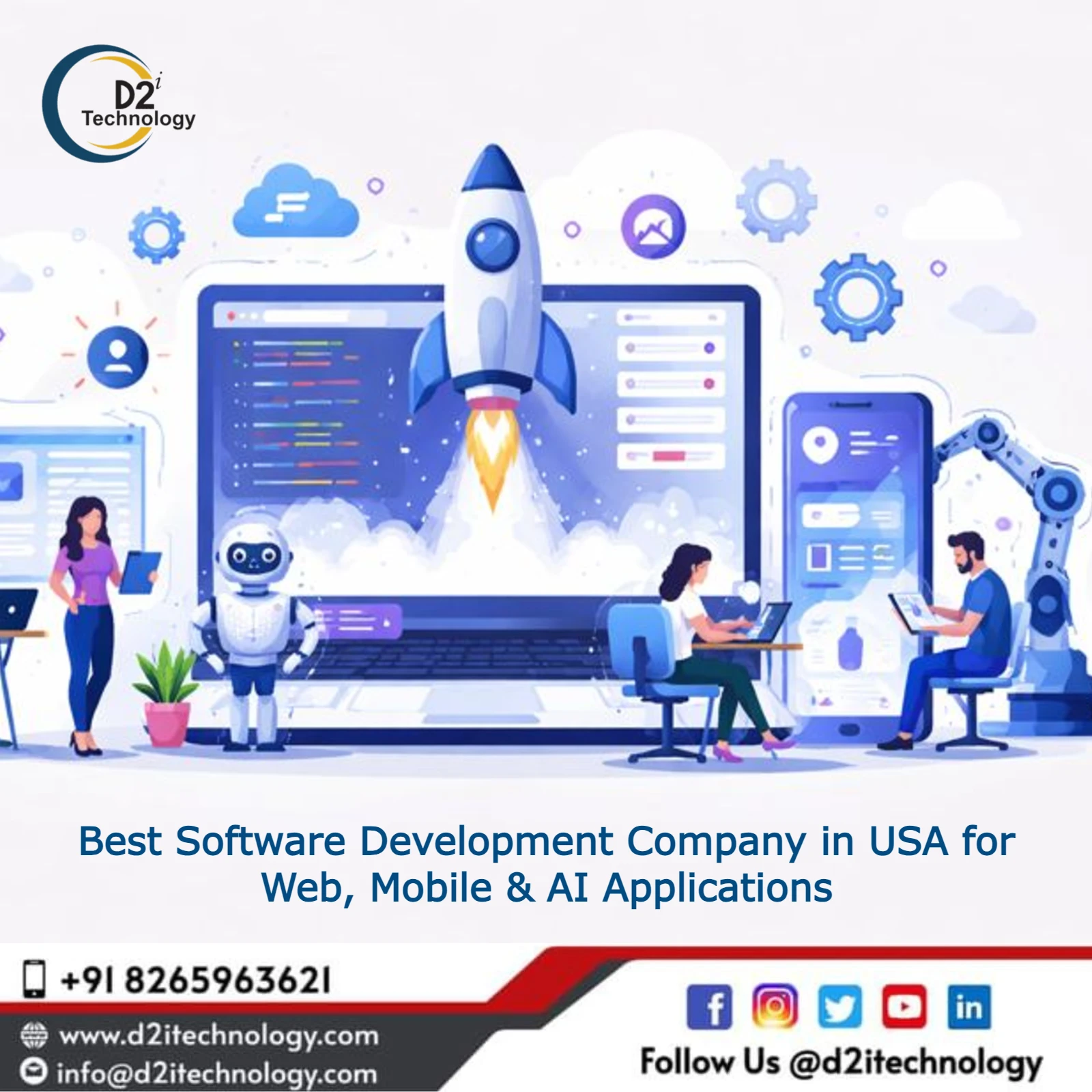
Selecting the right Software Development Company In Usa can determine whether your digital transformation succeeds or stalls. American businesses need partners who understand not just coding, but the unique challenges of building scalable web platforms, intuitive mobile applications, and intelligent AI solutions that drive real business outcomes. Whether you’re a startup seeking your first MVP or an enterprise modernizing legacy systems, the software development landscape offers countless options—but few partners deliver the combination of technical excellence, industry expertise, and commitment to client success that separates exceptional results from mediocre implementations.
The software development industry has matured significantly. Gone are the days when simply having a website or mobile app provided competitive advantage. Modern applications must handle millions of users, process data in real-time, integrate with dozens of systems, maintain security against sophisticated threats, and deliver experiences that users have come to expect from best-in-class consumer applications. Building this level of sophistication requires partners who bring proven expertise across technologies, methodologies, and industries.
What Defines Exceptional Software Development Companies
Not all software development firms deliver equal value. The best partners distinguish themselves through specific capabilities and approaches:
Technical Depth Across the Stack
Exceptional software development requires mastery across multiple technology layers:
Frontend Excellence: Modern web applications demand expertise in React, Angular, Vue.js, and progressive web app technologies that deliver app-like experiences in browsers. The frontend isn’t just about making things look pretty—it’s about creating intuitive interfaces that guide users through complex workflows while maintaining performance and accessibility.
Backend Expertise: Robust APIs and business logic require proficiency in Node.js, Python, Java, .NET, Ruby, and emerging languages like Go. Backend architecture determines scalability, maintainability, and integration capabilities that will support your application for years.
Database Design: Whether relational databases like PostgreSQL and MySQL, NoSQL solutions like MongoDB and DynamoDB, or specialized databases like Redis and Elasticsearch, proper data architecture ensures applications remain performant and reliable as they grow.
Cloud Infrastructure: Modern applications deploy to AWS, Azure, or Google Cloud, leveraging managed services, containerization, and serverless architectures. Cloud expertise determines operational costs, scalability, and reliability.
Mobile Development: Native iOS and Android development using Swift and Kotlin, cross-platform frameworks like React Native and Flutter, and progressive web apps each have appropriate use cases requiring different expertise.
Industry-Specific Experience
Generic software development knowledge isn’t sufficient. The best partners bring domain expertise:
- Financial Services: Understanding regulatory requirements (SOC 2, PCI-DSS, KYC/AML), security best practices, real-time transaction processing, and complex financial calculations that fintech and banking applications require.
- Healthcare: Knowledge of HIPAA compliance, electronic health records integration, telemedicine platforms, patient engagement, and the unique workflows of healthcare providers.
- E-Commerce: Experience with product catalogs, inventory management, payment gateway integration, order fulfillment, and the performance optimization required for high-traffic retail sites.
- Enterprise SaaS: Understanding multi-tenancy, subscription management, usage-based billing, API-first design, and the scalability requirements of software serving thousands of customers.
Proven Methodology and Process
Successful software development requires disciplined processes:
- Agile Development: Iterative development with regular sprints, continuous feedback, and flexibility to adapt as requirements evolve based on user feedback and market conditions.
- DevOps Integration: CI/CD pipelines, automated testing, infrastructure as code, and monitoring that enable rapid, reliable deployments with minimal downtime.
- Quality Assurance: Comprehensive testing strategies including unit testing, integration testing, performance testing, security testing, and user acceptance testing that catch issues before production.
- Project Management: Clear communication, transparent progress tracking, risk management, and stakeholder alignment that keep projects on schedule and within budget.
Web Application Development Excellence
Web applications power modern business operations, customer engagement, and digital transformation initiatives. Professional web development encompasses:
Custom Web Applications
- Enterprise Portals: Customer-facing portals for account management, service requests, document access, and self-service capabilities that reduce support costs while improving customer satisfaction.
- Internal Tools: Custom dashboards, workflow automation, data management systems, and business intelligence tools that streamline operations and improve decision-making.
- E-Commerce Platforms: Feature-rich online stores with product management, payment processing, inventory synchronization, and marketing integration that drive revenue growth.
- Content Management Systems: Flexible CMS implementations using WordPress, Drupal, or headless CMS architectures that empower non-technical teams to manage content while maintaining developer control over presentation.
Modern Web Technologies
- Progressive Web Apps (PWAs): Web applications that work offline, send push notifications, and install to home screens, providing app-like experiences without app store distribution challenges.
- Single Page Applications (SPAs): React, Angular, or Vue.js applications that load once and dynamically update content, providing fluid user experiences similar to desktop applications.
- Responsive Design: Layouts that adapt seamlessly across desktop, tablet, and mobile devices, ensuring consistent experiences regardless of how users access your application.
- API-First Architecture: Building applications around well-designed APIs enables integration with other systems, future mobile apps, and third-party services.
Web Application Security
Security isn’t optional in 2026. Professional web development includes:
- HTTPS everywhere with proper SSL/TLS configuration
- Authentication and authorization using OAuth, JWT, or modern identity providers
- Input validation and sanitization preventing SQL injection and XSS attacks
- Security headers, CSP policies, and CORS configuration
- Regular security audits and penetration testing
- Compliance with OWASP Top 10 and industry-specific security standards
Mobile Application Development Expertise
Mobile applications extend your business reach to billions of smartphone users. Professional mobile development requires strategic decisions and technical excellence:
Native vs. Cross-Platform Development
Native Development: Building separate iOS and Android applications using Swift and Kotlin provides maximum performance, full access to platform features, and the most polished user experiences. Best for applications requiring intensive graphics, complex gestures, or deep platform integration.
Cross-Platform Development: React Native, Flutter, or other frameworks enable code sharing between iOS and Android, reducing development costs and accelerating time-to-market. Ideal for content-driven applications, business tools, and MVP development.Progressive Web Apps: For certain use cases, PWAs provide app-like experiences without app store distribution, automatic updates, and cross-platform compatibility from a single codebase.
Mobile Development Capabilities
- UI/UX Design: Creating interfaces following iOS Human Interface Guidelines and Android Material Design while maintaining brand consistency and usability across platforms.
- Offline Functionality: Local data storage, synchronization strategies, and conflict resolution enabling applications to function without constant connectivity.
- Push Notifications: Engaging users with timely, relevant notifications while respecting user preferences and platform guidelines.
- Device Integration: Accessing cameras, GPS, biometrics, sensors, and other device features that enhance application capabilities.
- App Store Optimization: Preparing applications for successful app store submission, including metadata optimization, screenshots, and compliance with platform policies.
Mobile Backend Service
Mobile applications require robust backend infrastructure:
- RESTful or GraphQL APIs for data access
- Real-time synchronization using WebSockets or Firebase
- User authentication and management
- Push notification infrastructure
- Analytics and crash reporting
- Over-the-air update capabilities
AI and Machine Learning Integration
Artificial intelligence transforms applications from reactive tools to intelligent assistants. Professional AI integration requires understanding both the possibilities and limitations:
Practical AI Applications
- Natural Language Processing: Chatbots and virtual assistants that understand user queries, provide information, handle transactions, and escalate complex issues to human agents when necessary.
- Recommendation Engines: Personalization systems analyzing user behavior to suggest products, content, or actions that increase engagement and conversion.
- Computer Vision: Image recognition, object detection, facial recognition, and document processing automating manual tasks and enabling new capabilities.
- Predictive Analytics: Machine learning models identifying patterns, forecasting trends, detecting anomalies, and supporting data-driven decision-making.
- Process Automation: Intelligent automation that handles repetitive tasks, extracts information from documents, and orchestrates workflows across systems.
Responsible AI Implementation
Professional AI development addresses important considerations:
- Data Quality: AI models require substantial high-quality training data. We help clients assess data readiness, develop data collection strategies, and implement data governance.
- Bias and Fairness: Ensuring AI systems don’t perpetuate or amplify biases requires careful attention to training data, model design, and ongoing monitoring.
- Explainability: Particularly in regulated industries, AI decisions must be explainable. We implement techniques providing transparency into model behavior and decision factors.
- Privacy and Security: AI systems often process sensitive data. We implement privacy-preserving techniques, secure data handling, and compliance with privacy regulations.
- Performance Monitoring: AI models degrade over time as data distributions change. We implement monitoring and retraining strategies maintaining model effectiveness.
AI Technology Stack
- Machine Learning Frameworks: TensorFlow, PyTorch, scikit-learn for building and training models.
- Cloud AI Services: AWS SageMaker, Azure Machine Learning, Google AI Platform for managed infrastructure and pre-trained models.
- Large Language Models: Integration with OpenAI GPT, Anthropic Claude, or open-source alternatives for conversational AI and text generation.
- MLOps: Continuous integration and deployment for machine learning models, version control, experiment tracking, and production monitoring.
The D2i Technology Development Approach
D2i Technology brings a proven methodology that balances structure with flexibility, ensuring successful project outcomes:
Discovery and Planning Phase
- Requirements Gathering: Deep understanding of business objectives, user needs, technical constraints, and success metrics through stakeholder interviews and workshops.
- Technical Architecture: Designing scalable, maintainable system architectures that support current requirements while accommodating future growth.
- Technology Selection: Choosing the right technologies, frameworks, and platforms based on project requirements, team expertise, and long-term maintenance considerations.
- Project Roadmap: Creating realistic timelines with clear milestones, resource allocation, and risk mitigation strategies.
Agile Development Process
- Sprint Planning: Breaking work into manageable two-week sprints with clear objectives and deliverables.
- Regular Demonstrations: Showcasing working software every sprint, gathering feedback, and adjusting priorities based on stakeholder input.
- Continuous Integration: Automated testing and deployment pipelines ensuring code quality and enabling rapid iteration.
- Transparent Communication: Daily standups, sprint retrospectives, and accessible project tracking keeping stakeholders informed.
Quality Assurance and Testing
- Automated Testing: Unit tests, integration tests, and end-to-end tests running automatically with every code change.
- Manual Testing: Experienced QA engineers performing exploratory testing, usability testing, and edge case validation.
- Performance Testing: Load testing and optimization ensuring applications perform under production conditions.
- Security Testing: Vulnerability scanning, penetration testing, and security code reviews identifying and addressing security issues.
Deployment and Support
- Phased Rollout: Gradual deployments with feature flags, canary releases, or blue-green deployments minimizing risk.
- Production Monitoring: Real-time monitoring, logging, and alerting providing visibility into application health and user experience.
- Ongoing Maintenance: Bug fixes, security updates, performance optimization, and minor enhancements keeping applications current.
- Documentation: Comprehensive technical documentation, user guides, and knowledge transfer ensuring your team can maintain and extend applications.
Why American Businesses Choose D2i Technology
As a leading Software Development Company In Usa, D2i Technology differentiates through specific capabilities and commitments:
Proven Track Record
Years of successful projects across industries demonstrate our ability to deliver:
- Financial platforms handling millions of transactions
- Healthcare applications serving thousands of providers
- E-commerce sites processing substantial revenue
- Enterprise tools streamlining operations for major corporations
- Innovative startups from MVP through growth stage
Technical Excellence
Our team includes:
- Senior developers with 8+ years of experience
- Cloud-certified architects (AWS, Azure, Google Cloud)
- IAAP-certified accessibility specialists
- Full-stack engineers comfortable across technologies
- AI/ML engineers with production deployment experience
Business Focus
We don’t just write code—we solve business problems:
- Understanding your competitive landscape and market positioning
- Aligning technology decisions with business objectives
- Providing strategic guidance beyond technical implementation
- Measuring success through business metrics, not just technical KPIs
Transparent Communication
No surprises, no excuses:
- Clear project estimates with detailed breakdown
- Regular progress updates with honest status reporting
- Proactive risk identification and mitigation
- Accessible team members responsive to questions
- Post-project reviews documenting lessons learned
Long-Term Partnership
We’re invested in your success beyond project completion:
- Training your team to maintain and extend applications
- Providing ongoing support and enhancement services
- Advising on technology evolution and modernization
- Growing our partnership as your business scales
Selecting the Right Software Development Partner
Choosing a development partner requires careful evaluation beyond portfolio and pricing:
Essential Questions to Ask
- Technical Capabilities: What technologies do you specialize in? Can you show examples of similar projects? How do you stay current with evolving technologies?
- Process and Methodology: What development methodology do you follow? How do you handle requirement changes? What’s your quality assurance process?
- Communication: Who will be my primary contact? How often will we communicate? How do you handle different time zones?
- Team Structure: Who will work on my project? What are their experience levels? Will I meet the actual developers?
- Timeline and Budget: How do you estimate projects? What’s included in your pricing? How do you handle scope changes?
- Security and Compliance: What security practices do you follow? Have you worked with HIPAA, PCI-DSS, or SOC 2? How do you protect intellectual property?
- Post-Launch Support: What happens after deployment? Do you provide maintenance? How quickly do you respond to issues?
Warning Signs to Avoid
- Guaranteed Fixed Bids: Software development involves unknowns. Companies guaranteeing fixed prices often cut corners or inflate estimates dramatically.
- Offshore Communication Barriers: While offshore development can work, significant time zone differences and language barriers create friction that delays projects and compromises quality.
- Portfolio Mismatches: Companies showing generic templates or unrelated projects may lack relevant experience.
- Unclear Process: Inability to articulate clear development methodology, testing approach, or project management practices suggests improvisation rather than proven processes.
- No Technical Discovery: Jumping straight to estimates without thorough requirements gathering indicates insufficient understanding of project complexity.
Investment Considerations and ROI
Software development requires significant investment. Understanding costs and returns helps set appropriate expectations:
Typical Investment Ranges
- Simple Web Applications: $25,000-$75,000 for basic websites with custom design, content management, and standard functionality.
- Complex Web Platforms: $75,000-$250,000+ for feature-rich applications with custom functionality, third-party integrations, and advanced capabilities.
- Mobile Applications: $50,000-$150,000 for well-designed apps with backend integration, offline functionality, and platform-specific features.
- AI Integration: $30,000-$150,000+ depending on complexity, data requirements, model development, and integration scope.
- Enterprise Software: $200,000-$1,000,000+ for comprehensive systems with complex workflows, integrations, and scalability requirements.
Factors Affecting Cost
- Feature complexity and scope
- Design sophistication and custom UI requirements
- Third-party integrations and API development
- Security and compliance requirements
- Performance and scalability needs
- Platform support (web, iOS, Android)
- Ongoing maintenance and support
Measuring Return on Investment
Software development ROI manifests through:
- Revenue growth from new capabilities
- Operational efficiency and cost reduction
- Improved customer experience and retention
- Market differentiation and competitive advantage
- Data-driven insights enabling better decisions
- Scalability supporting business growth
Conclusion
Choosing the right Software Development Company In Usa profoundly impacts your digital transformation success. The difference between average and exceptional partners isn’t just technical skill—it’s understanding your business context, communicating clearly, managing projects professionally, and remaining committed to your success beyond project completion.
D2i Technology brings the technical expertise, industry knowledge, proven processes, and client commitment that characterize the best software development partnerships. Whether you need sophisticated web applications, intuitive mobile experiences, or AI-powered intelligent systems, we deliver solutions that drive business results.
Software development isn’t just about writing code—it’s about solving business problems, enabling growth, and creating competitive advantages through technology. The best projects emerge from collaborative partnerships where development teams understand business objectives and business leaders trust technical expertise.
Don’t settle for development partners who just take orders. Choose a software development company that asks hard questions, challenges assumptions, and focuses relentlessly on delivering value. Your software should be an asset driving business growth, not a liability requiring constant attention.
About D2i Technology
D2i Technology is a premier Software Development Company In Usa delivering custom web applications, mobile solutions, and AI-powered systems for businesses across industries. Our experienced team combines technical excellence with business focus, creating software that solves real problems and drives measurable results. We specialize in modern web development using React, Angular, Vue.js, and full-stack JavaScript; native and cross-platform mobile applications for iOS and Android; AI and machine learning integration for intelligent applications; cloud-native architecture on AWS, Azure, and Google Cloud; and API development and system integration. Our clients span financial services, healthcare, e-commerce, SaaS, and enterprise sectors, ranging from innovative startups to established corporations. We deliver projects using agile methodology with transparent communication, comprehensive testing, and ongoing support. Our commitment extends beyond project delivery—we partner with clients for long-term success, providing strategic technology guidance, ongoing maintenance, and scaling support as businesses grow.
Frequently Asked Questions
Transform Your Vision Into Reality
Partner with D2i Technology for web, mobile, and AI development that delivers results. Proven expertise, transparent processes, and commitment to your success.