- Accessibility Audits
- February 17, 2026
What Are the Best Practices for Web Accessibility Audits?
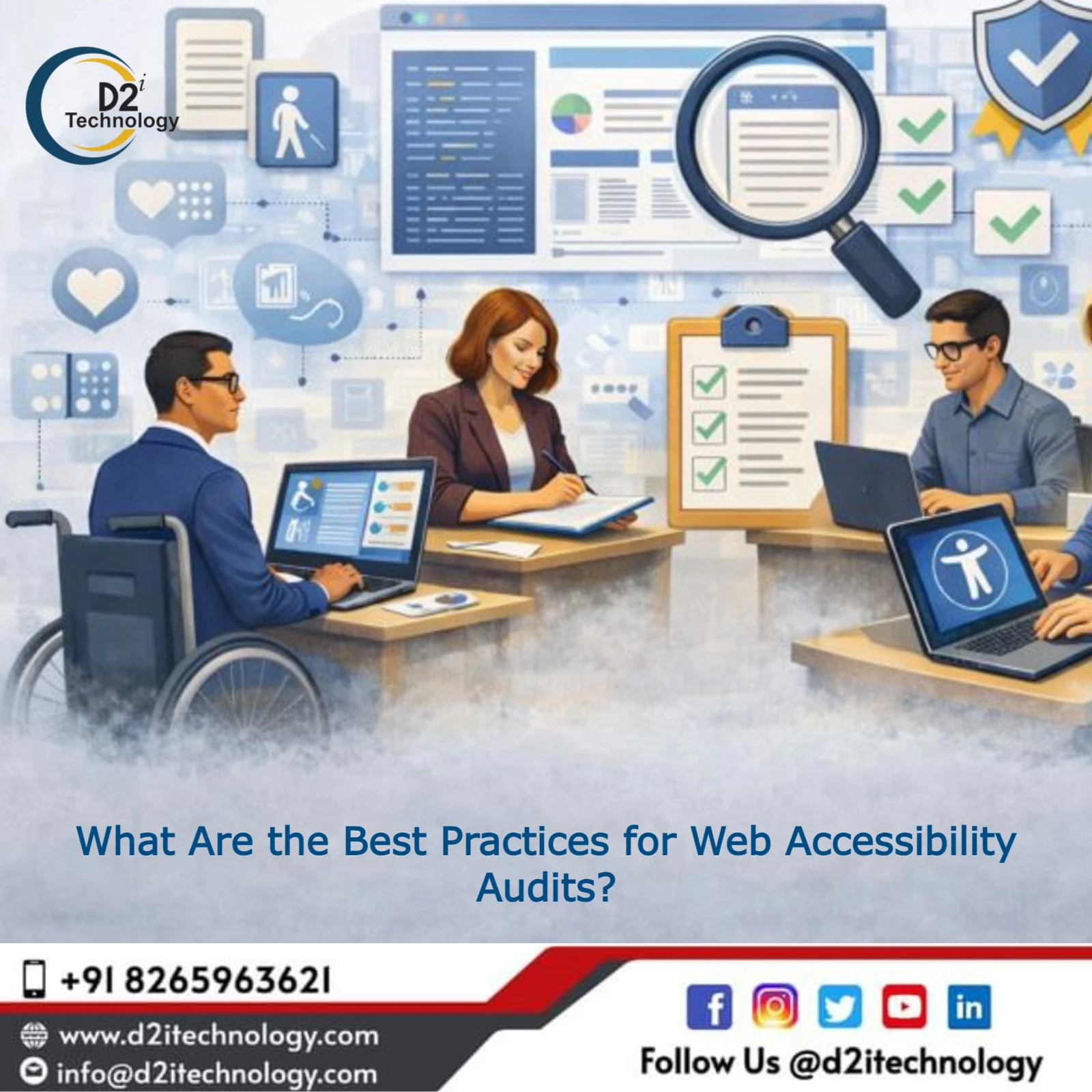
Effective accessibility audits separate superficial compliance checking from genuine digital inclusion. Organizations investing in professional Web Accessibility Audit and Remediation Services For Enterprises need to understand what distinguishes thorough, valuable audits from automated scans or checkbox exercises that miss critical barriers. The best accessibility audits combine automated efficiency with manual expertise, technical precision with user perspective, and compliance validation with actionable remediation guidance—transforming audit findings from overwhelming defect lists into strategic roadmaps for meaningful accessibility improvement.
The accessibility audit landscape offers countless approaches, tools, and methodologies, yet quality varies dramatically. Some audits rely solely on automated scanners, catching only 25-35% of accessibility issues while missing the majority of barriers affecting real users. Others employ superficial manual checking without deep assistive technology testing or proper WCAG interpretation. The best practices outlined here represent the synthesis of industry standards, IAAP professional guidelines, and practical experience from thousands of enterprise accessibility audits.
Understanding Accessibility Audit Fundamentals
Before diving into specific practices, establishing foundational understanding ensures alignment:
What Accessibility Audits Accomplish
- Compliance Validation: Confirming whether digital properties meet WCAG 2.1 or 2.2 Level AA standards, ADA requirements, Section 508 regulations, or other applicable accessibility standards.
- Barrier Identification: Discovering specific obstacles preventing users with disabilities from accessing content, completing transactions, or using functionality.
- User Impact Assessment: Understanding how accessibility violations affect real people using assistive technologies like screen readers, voice control, or keyboard-only navigation.
- Remediation Guidance: Providing development teams with specific, actionable recommendations for fixing identified issues.
- Risk Evaluation: Assessing legal exposure, regulatory compliance status, and business impact of accessibility gaps.
Audit Scope Considerations
Comprehensive audits require clear scope definition:
- Platform Coverage: Which digital properties need evaluation—websites, web applications, mobile apps, PDFs, multimedia content?
- Page Sampling: For large sites, which pages represent critical user journeys, diverse templates, and high-traffic areas?
- User Workflows: What complete tasks need testing—account creation, purchases, form submissions, content consumption?
- Assistive Technology Scope: Which screen readers, browsers, devices, and assistive technologies will be tested?
- Compliance Standards: WCAG 2.1 vs 2.2? Level A, AA, or AAA? Industry-specific requirements?
Understanding accessibility compliance audits helps organizations approach audits strategically rather than tactically.
Best Practice 1: Combine Automated and Manual Testing
The most effective audits leverage both automated tools and manual expertise:
Automated Testing Strengths
- Efficiency at Scale: Automated tools quickly scan hundreds or thousands of pages identifying common technical violations.
- Consistent Checking: Tools apply rules uniformly without human fatigue or inconsistency.
- Regression Prevention: Automated tests integrated into CI/CD pipelines catch accessibility regressions before production deployment.
- Common Issue Detection: Missing alt text, color contrast failures, form label problems, and heading structure issues are efficiently caught by automation.
Automated Testing Limitations
- Limited Coverage: Automated tools detect only 25-35% of WCAG violations—the majority require human judgment.
- False Positives: Tools flag potential issues requiring manual verification to confirm actual violations.
- Context Blindness: Automation cannot evaluate whether alt text is meaningful, focus order is logical, or content structure makes sense.
- User Experience Gaps: Tools cannot assess subjective qualities like intuitiveness, clarity, or actual usability with assistive technologies.
Manual Testing Essentials
- Screen Reader Navigation: Experienced auditors navigate entire sites using JAWS, NVDA, VoiceOver, and TalkBack, experiencing content as blind users would.
- Keyboard-Only Testing: Verifying all functionality accessible without mouse, evaluating tab order logic, and confirming visible focus indicators.
- Cognitive Load Assessment: Determining whether interfaces are overwhelming, instructions are clear, and workflows are logical.
- Assistive Technology Compatibility: Testing with voice control, screen magnification, and other assistive technologies beyond screen readers.
The combination of automated efficiency and manual depth ensures comprehensive coverage that neither approach achieves alone. Professional accessibility testing services employ this balanced methodology for thorough evaluation.
Best Practice 2: Test with Actual Assistive Technologies
Reading WCAG documentation differs vastly from experiencing barriers firsthand:
Screen Reader Testing Protocol
- Multiple Screen Readers: Testing with JAWS (most popular commercial screen reader), NVDA (leading open-source option), VoiceOver (macOS/iOS built-in), and TalkBack (Android built-in) catches compatibility issues.
- Browser Combinations: Screen readers behave differently across browsers—JAWS with Chrome vs. Firefox, NVDA with Edge vs. Firefox, VoiceOver with Safari.
- Complete Navigation: Moving through entire pages sequentially, navigating by headings, landmarks, links, forms, and tables as users actually do.
- Interaction Testing: Activating buttons, completing forms, interacting with custom widgets, and testing dynamic content updates.
Keyboard Navigation Evaluation
- Tab Order Logic: Confirming keyboard focus moves through interactive elements in meaningful, predictable sequences.
- Focus Visibility: Ensuring current focus location is clearly visible without relying solely on browser defaults.
- Keyboard Traps: Identifying situations where keyboard users cannot escape components using standard navigation.
- Shortcut Keys: Testing whether keyboard shortcuts interfere with assistive technology commands or browser functions.
Voice Control and Motor Disability Testing
- Voice Navigation: Testing platforms like Dragon NaturallySpeaking evaluating whether voice commands successfully activate functions.
- Click Target Size: Verifying buttons and interactive elements are large enough for users with limited dexterity.
- Hover Dependencies: Identifying functionality requiring precise mouse hovering that excludes users with motor disabilities.
Exploring user experience with web accessibility testing demonstrates how assistive technology testing reveals real-world barriers automation misses.
Best Practice 3: Follow Structured Testing Methodologies
Ad-hoc testing misses issues that systematic approaches catch:
Page-Level Testing Process
- Automated Scan: Run accessibility testing tools (Axe, WAVE, Lighthouse) identifying technical violations.
- Semantic Structure Review: Examine HTML for proper heading hierarchy, landmark regions, list markup, and semantic elements.
- Keyboard Navigation: Navigate entire page using only keyboard, testing all interactive elements.
- Screen Reader Testing: Navigate page with screen reader, testing reading order, element labels, dynamic updates, and form interactions.
- Visual Assessment: Evaluate color contrast, text resizing, responsive design, and visual-only information.
- Multimedia Review: Test videos for captions, audio descriptions, and accessible media controls.
- Document Testing: Evaluate PDFs and downloadable content for accessibility.
Workflow-Based Testing
- Critical User Journeys: Test complete tasks from start to finish—account creation through confirmation, product selection through checkout, form initiation through submission.
- Error Handling: Intentionally trigger validation errors testing whether error identification, descriptions, and recovery suggestions are accessible.
- Time-Sensitive Functions: Evaluate session timeouts, timed content, and CAPTCHA alternatives.
- Multi-Step Processes: Test wizards, multi-page forms, and complex workflows for accessibility throughout entire sequences.
Regression Testing
- Version Comparison: Compare new builds against previous versions identifying introduced accessibility barriers.
- Component Testing: Evaluate reusable components in isolation ensuring accessibility before integration.
- Integration Testing: Verify accessibility maintained when components combine or integrate with third-party services.
Professional auditors follow documented methodologies ensuring consistent, comprehensive coverage. Understanding the best accessibility testing toolkit helps teams select appropriate tools supporting structured testing.
Best Practice 4: Provide Actionable Remediation Guidance
Finding problems without providing solutions creates frustration rather than progress:
Detailed Issue Documentation
Each identified violation should include:
- WCAG Reference: Specific success criterion violated (e.g., “1.4.3 Contrast (Minimum)”)
- Severity Classification: Critical (blocks essential functions), High (significant barriers), Medium (moderate impact), Low (minor issues)
- Location Details: Specific pages, components, or code sections affected
- User Impact Explanation: How this barrier affects users with disabilities
- Evidence: Screenshots, code snippets, screen reader recordings demonstrating the issue
- Remediation Recommendation: Specific solution with code examples, design patterns, or implementation strategies
Prioritized Remediation Roadmaps
Organizing findings strategically:
- Phase 1 – Critical Fixes: Barriers blocking essential functions requiring immediate remediation
- Phase 2 – High-Impact Issues: Significant accessibility barriers affecting important workflows
- Phase 3 – Moderate Improvements: Issues with noticeable impact but workarounds available
- Phase 4 – Comprehensive Compliance: Minor violations completing WCAG conformance
- Effort Estimates: Approximate development time helping teams plan resources and timelines
Implementation Examples
- Code Snippets: Before/after code examples showing exactly how to implement fixes
- Design Patterns: Links to established accessible component patterns and implementations
- Tool Recommendations: Suggesting browser extensions, testing tools, or development aids
- Testing Guidance: Instructions for validating fixes with assistive technologies
Organizations seeking comprehensive support should explore accessibility remediation services that partner through implementation, not just identify problems.
Best Practice 5: Document Methodology and Scope
Transparency about testing approach builds trust and enables replication:
Testing Environment Documentation
- Assistive Technologies Used: Specific screen readers, versions, and browser combinations
- Device Coverage: Desktop browsers tested, mobile devices, operating systems
- Testing Tools: Automated scanners employed with versions
- Sample Pages: List of pages tested with selection rationale
Methodology Transparency
- Testing Procedures: Step-by-step approach for automated scanning, manual testing, assistive technology evaluation
- Sampling Strategy: How pages were selected for large sites—random sampling, template-based, user journey focus
- Limitations: Known gaps in coverage, scope boundaries, areas not tested
- Standard References: WCAG version targeted, industry-specific requirements considered
Reproducible Results
- Issue Reproduction Steps: Clear instructions allowing development teams to reproduce findings
- Test Data Requirements: Sample data, account types, or conditions needed for testing
- Environment Setup: Configuration details for replicating testing conditions
This documentation proves especially valuable for website accessibility remediation efforts, enabling teams to understand and validate findings.
Best Practice 6: Engage IAAP-Certified Accessibility Professionals
Professional certification ensures verified expertise:
Why Certification Matters
- Standardized Knowledge: IAAP Web Accessibility Specialist (WAS) certification confirms comprehensive WCAG understanding through rigorous examination.
- Proven Competence: Third-party validation of expertise beyond self-assessment or employer claims.
- Ongoing Education: Continuing education requirements ensuring current knowledge as standards evolve.
- Professional Accountability: Ethical standards and professional codes ensuring quality service.
Certified Auditor Advantages
- Accurate WCAG Interpretation: Correctly applying success criteria including nuanced situations requiring judgment
- Assistive Technology Proficiency: Genuine expertise using screen readers, voice control, and other assistive technologies
- False Positive Reduction: Distinguishing actual violations from tool misinterpretations
- Defensible Documentation: Audit reports withstanding regulatory scrutiny or legal review
Understanding why businesses need IAAP-certified accessibility audit services demonstrates the value professional certification brings to audit quality.
Best Practice 7: Test Real User Workflows
Page-by-page testing misses issues that workflow evaluation catches:
Complete Journey Testing
- Account Creation: From landing page through email verification and first login
- Purchase Process: Product browsing, cart management, checkout, payment, order confirmation
- Form Submission: Information gathering, validation, error correction, submission, confirmation
- Content Consumption: Finding content, reading articles, watching videos, downloading resources
Error Scenario Testing
- Validation Failures: Intentionally submitting incomplete or invalid forms testing error identification and recovery
- Network Interruptions: Testing how applications behave when connectivity drops mid-transaction
- Session Timeouts: Evaluating timeout warnings, data preservation, and re-authentication
- Payment Failures: Testing error handling when payment processing encounters issues
Multi-Device Consistency
- Responsive Design: Verifying accessibility maintained across desktop, tablet, mobile viewports
- Platform Differences: Testing iOS vs. Android mobile apps for accessibility consistency
- Browser Compatibility: Confirming accessibility works across Chrome, Firefox, Safari, Edge
Best Practice 8: Continuous Improvement Over One-Time Compliance
The best audits establish ongoing accessibility rather than one-time certification:
Regular Audit Cycles
- Annual Comprehensive Audits: Full WCAG assessment evaluating entire platform
- Quarterly Targeted Reviews: Focused audits of new features, major updates, or changed areas
- Post-Deployment Validation: Accessibility testing after every significant release
- Regression Monitoring: Automated tests catching accessibility regressions between manual audits
Knowledge Transfer
- Developer Training: Teaching teams accessible coding practices preventing future violations
- Design Education: Helping designers create accessible user experiences from inception
- QA Integration: Training QA teams to include accessibility in standard testing procedures
- Documentation Creation: Building internal accessibility guidelines and component documentation
Understanding common accessibility issues helps organizations proactively prevent problems between formal audits.
The D2i Technology Audit Approach
D2i Technology’s Web Accessibility Audit and Remediation Services For Enterprises embody these best practices:
Comprehensive Methodology
- Balanced Testing: Combining automated efficiency with extensive manual evaluation and assistive technology testing
- IAAP-Certified Auditors: WAS-certified professionals bringing verified expertise to every engagement
- Real User Perspective: Testing from actual disability perspectives, not just technical compliance checking
- Complete Workflows: Evaluating entire user journeys, not isolated pages
Actionable Deliverables
- Detailed Reports: Comprehensive documentation of findings with severity ratings, user impact, and evidence
- Remediation Roadmaps: Prioritized implementation plans with effort estimates
- Code Examples: Specific solutions with before/after code snippets
- Developer Partnership: Collaborative support through remediation, not just defect delivery
Sustainable Accessibility
- Training Programs: Building internal team capability for ongoing accessibility
- Process Integration: Embedding accessibility into development workflows
- Continuous Monitoring: Establishing automated testing preventing regressions
- Long-Term Partnership: Supporting accessibility maturity evolution, not just one-time compliance
Our comprehensive accessibility services provide end-to-end support from initial audit through sustained accessibility excellence.
Conclusion
Effective web accessibility audits require far more than running automated scanners or checking compliance boxes. The best Web Accessibility Audit and Remediation Services For Enterprises combine automated efficiency with manual expertise, technical precision with user perspective, and compliance validation with actionable implementation guidance.
By following these best practices—balancing automation and manual testing, using actual assistive technologies, following structured methodologies, providing actionable remediation guidance, documenting approaches transparently, engaging certified professionals, testing real user workflows, and focusing on continuous improvement—organizations achieve thorough, valuable audits that drive meaningful accessibility advancement.
The difference between superficial and comprehensive accessibility audits directly impacts outcomes. Superficial audits miss critical barriers, provide vague remediation guidance, and create false confidence leading to continued exclusion and legal risk. Comprehensive audits identify all significant barriers, provide specific solutions, and establish sustainable accessibility practices serving users while protecting organizations.
D2i Technology’s enterprise accessibility audit services embody these best practices, delivering thorough evaluation, expert guidance, and partnership through implementation. Our IAAP-certified auditors bring verified expertise, proven methodologies, and commitment to your accessibility success.
Don’t settle for automated scans or superficial compliance checking. Choose professional audit services that deliver comprehensive evaluation, actionable guidance, and genuine accessibility improvement. Your users—all of them—deserve nothing less.
About D2i Technology
D2i Technology delivers professional Web Accessibility Audit and Remediation Services For Enterprises combining verified expertise with practical business focus. Our IAAP WAS-certified auditors bring comprehensive WCAG 2.1/2.2 knowledge, extensive assistive technology proficiency, and 8+ years of enterprise accessibility experience. We serve organizations across financial services, healthcare, e-commerce, SaaS, government, and enterprise sectors, conducting thorough accessibility evaluations that identify barriers, provide actionable solutions, and establish sustainable practices. Our audit methodology balances automated scanning efficiency with extensive manual testing using screen readers (JAWS, NVDA, VoiceOver, TalkBack), keyboard navigation, voice control, and other assistive technologies. We evaluate complete user workflows, not just isolated pages, ensuring accessibility throughout critical business functions. Our deliverables include detailed audit reports with specific remediation recommendations, WCAG conformance documentation, prioritized implementation roadmaps with effort estimates, code examples and design patterns, and ongoing implementation support. Beyond auditing, we provide developer training, design consultation, remediation partnership, automated testing integration, and continuous accessibility monitoring. Our commitment extends beyond one-time compliance checking to building organizational accessibility capability and creating genuinely inclusive digital experiences. With hundreds of successful enterprise audits and deep expertise across industries and technologies, we bring both credential-backed knowledge and practical implementation experience to every engagement.
Frequently Asked Questions
Get Comprehensive Accessibility Audits That Drive Results
Partner with D2i Technology for professional Web Accessibility Audit and Remediation Services For Enterprises. IAAP-certified expertise, thorough methodology, and ongoing support for meaningful accessibility.